
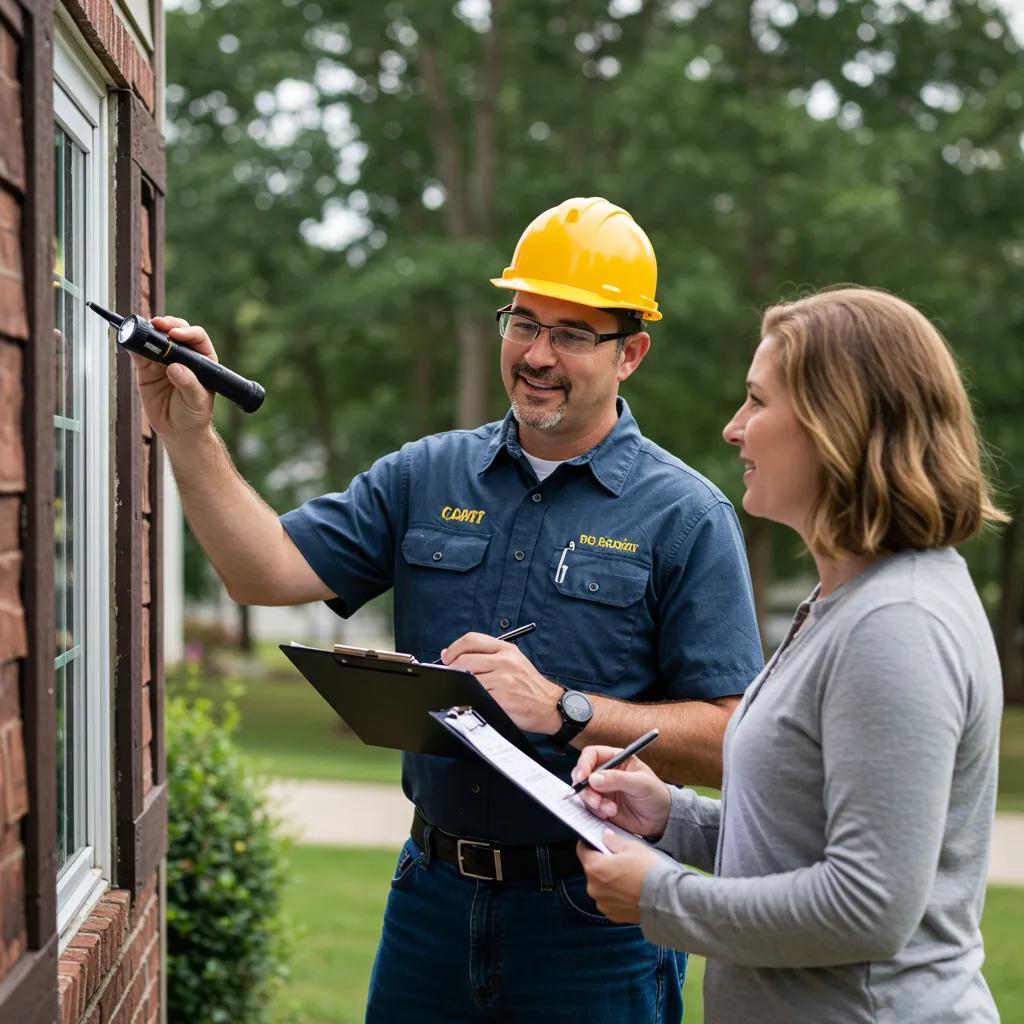
A certified home inspection in Greenville, SC provides an objective, professional assessment of a property’s major systems and structural components, giving buyers and sellers the confidence to make informed decisions. This article explains what a comprehensive Greenville home inspection covers, how inspectors evaluate common Upstate South Carolina building conditions, and when specialized tests are recommended to protect health, safety, and loan requirements. Many buyers worry about hidden defects, radon, pests, or foundation issues; a thorough inspection reduces uncertainty by documenting current condition, immediate safety concerns, and maintenance priorities. Below you will find clear descriptions of inspected components, typical findings in Greenville homes, pricing guidance and discount eligibility, the benefits of using a Certified Master Inspector, the step-by-step scheduling process, available specialized services, and a practical buyer checklist for negotiating and planning repairs. Throughout the guide we use local context and semantic clarity to explain inspection mechanics, common Greenville-area concerns, and how to interpret a photo-rich inspection report to prioritize next steps.
What Does a Comprehensive Home Inspection in Greenville, SC Include?
A comprehensive home inspection in Greenville examines a property’s major systems with the goal of identifying safety issues, defects, and maintenance needs before a transaction closes. Inspectors evaluate the roof, exterior, structural framing, foundation, plumbing, electrical, HVAC, insulation and ventilation, attic and crawlspace conditions, and installed appliances to produce a clear, prioritized condition report. The inspection emphasizes safety items like missing railings or overloaded electrical panels and functional deficiencies such as leaking fixtures or diminished HVAC performance, which helps buyers and agents plan negotiations and repairs. After reviewing the overall scope, most inspectors recommend targeted follow-ups—radon testing, CL100 pest inspections, infrared imaging, or drain scopes—when signs indicate hidden issues that require specialized testing.
Which Home Components Are Inspected During a Greenville Home Inspection?
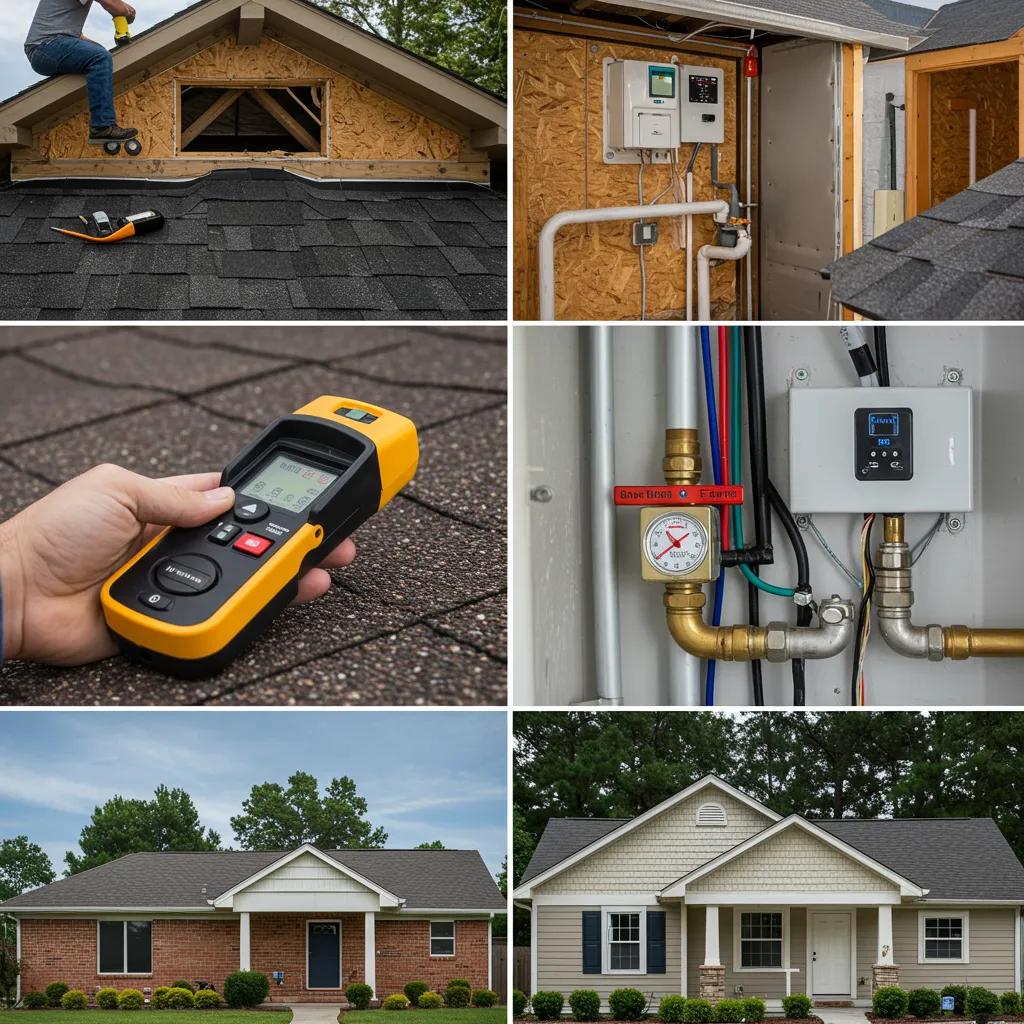
A standard Greenville home inspection involves a systematic review of key components so clients understand what they are buying and what to expect for maintenance. Roof inspections look for material condition, flashing integrity, and signs of water intrusion; exterior checks include siding, trim, and drainage patterns that affect grading and foundation performance. Structural and foundation inspection seeks settlement signs, cracks, or moisture intrusion that can indicate larger issues, while plumbing and electrical reviews identify leaks, improper installations, or overloaded circuits that pose safety risks. This component-level assessment often uncovers Upstate-specific concerns such as seasonal drainage problems or localized wood-destroying organism evidence, and when such indicators appear the inspector will recommend specialist evaluation and testing.
Introductory table: inspected components, typical checks, and common Greenville findings.
| Component | What Is Checked | Typical Findings/Concerns |
|---|---|---|
| Roof System | Material condition, flashing, vents, drainage | Missing shingles, flashing gaps, clogged gutters |
| Exterior & Drainage | Siding, trim, grading, downspouts | Poor grading, concentrated runoff near foundation |
| Foundation & Structure | Cracks, settlement, moisture in crawlspace | Hairline or active cracks, high humidity in crawlspace |
| Plumbing | Supply, drains, water heater, visible leaks | Corroded pipes, slow drains, older water heaters |
| Electrical | Service, panels, grounding, outlets | Improper wiring, overloaded circuits, lack of GFCIs |
| HVAC | Operation, filters, ductwork condition | Reduced efficiency, inadequate maintenance, restricted airflow |
This component table clarifies what inspectors inspect and the types of findings that commonly affect Greenville properties, helping readers prioritize follow-up actions and specialist referrals.
How Does Mack Inspections Ensure Quality and Accuracy in Greenville Home Inspections?
Mack Inspections applies a standards-based methodology that combines visual inspection, diagnostic tools, and clear reporting to ensure accurate condition assessments for Greenville properties. The company uses tools such as infrared thermal imaging, moisture meters, and drain cameras to detect problems not visible to the naked eye, and delivers photo-rich, annotated reports that separate safety concerns from maintenance recommendations. As a veteran-owned firm led by a Certified Master Inspector, Mack Inspections follows InterNACHI Standards of Practice and a professional code of ethics while promising efficient turnaround for actionable results. This approach produces reliable findings that clients can use in negotiations and planning, and the firm’s commitment to rapid report delivery helps buyers move quickly toward resolution.
How Much Does a Home Inspection Cost in Greenville, SC?
A typical pre-purchase home inspection in Greenville falls within a local price range that depends on property size, age, and any specialized tests requested, with most single-family home inspections priced competitively for the market. Cost drivers include square footage, number of systems (multiple HVAC units, pools), accessibility of components (attic, crawlspaces), and whether add-on services—radon testing, CL100 pest inspection, drain & sewer scope, or infrared imaging—are included. Buyers should expect baseline inspections to offer a thorough visual evaluation while specialized services address hidden or health-related risks that influence lenders or repair negotiations. Understanding these factors helps set expectations for budget and timeline when arranging inspections during a transaction.
What Factors Influence Greenville Home Inspection Pricing?
Several variables determine inspection pricing by affecting the inspector’s time, equipment needs, and risk exposure on site. Home size and complexity increase on-site time and the amount of documentation required, while older homes or properties with unfinished spaces require additional inspection steps and sometimes specialist referral. The choice to add services such as radon testing, CL100 pest inspection, or a drain camera increases cost but provides critical data for health, loan, and structural decisions. Accessibility, travel and location within Upstate South Carolina, and the urgency of report turnaround can also influence price, so buyers should clarify required services and any timing needs when requesting a quote.
| Cost Factor | Description | Typical Pricing Impact |
|---|---|---|
| Home Size & Layout | Larger square footage and multiple levels | Higher base price proportional to size |
| Specialized Tests | Radon, CL100, thermal imaging, drain scope | Add-on fees per test or bundled packages |
| Property Condition | Age, deferred maintenance, accessibility | Longer inspection time, higher fees |
| Service Speed | Same-day or 24-hour report requests | Possible expedited fee depending on provider |
This cost-factor table helps buyers understand why inspection quotes vary and where they can adjust scope to align with budget and risk tolerance.
Are There Discounts Available for Veterans and First Responders in Greenville?
Some local inspection providers offer discounts to recognize community service and reduce cost barriers for eligible groups, with common programs targeting veterans, law enforcement, firefighters/EMS, teachers, and medical professionals. Eligibility typically requires proof of service or employment and early notification when scheduling so the discount can be applied to quotes and invoices. Asking about discounts at the time of booking ensures buyers or sellers receive available savings and can reallocate budget toward specialized testing when needed. Clarifying discount eligibility during the initial contact helps buyers plan inspection scope and maximize the value of the inspection budget.
Introductory summary: Discounts reduce out-of-pocket cost and expand access to needed specialized services; confirm eligibility when requesting a quote.
Why Choose a Certified Master Home Inspector in Greenville, SC?
A Certified Master Inspector credential signifies advanced training, experience, and a commitment to continuing education beyond basic licensing, resulting in more thorough inspections, clearer communication, and stronger professional judgment during complex assessments. Hiring a credentialed inspector reduces uncertainty because the designation implies mastery of diverse building systems, diagnostic techniques such as thermal imaging, and rigorous reporting standards that help buyers and agents prioritize repairs and safety items. This credential-driven approach produces reports that are both actionable and defensible, improving negotiation outcomes and post-purchase maintenance planning for Greenville homeowners. Choosing a Certified Master Inspector is particularly valuable in markets with older housing stock or region-specific concerns that require experienced evaluation.
What Certifications and Standards Does Scott Mack Hold?
Scott Mack holds the Certified Master Inspector designation and aligns inspections with recognized standards of practice and ethics such as InterNACHI and the SC Home Inspector Code of Ethics, which guide thoroughness and impartial reporting. These credentials reflect ongoing education and peer-reviewed training in building science, common defect recognition, and professional conduct, translating to detailed inspections and consistent, photo-documented reporting. For clients, certifications mean the inspector follows established protocols for evaluating systems like roofing, foundations, and HVAC and knows when to recommend specialized testing. Understanding these standards helps buyers interpret report scope and trust the inspector’s scope limitations and referral recommendations.
How Does Veteran Ownership Enhance Service Quality in Greenville?
Veteran ownership often brings disciplined processes, reliability, and a service-oriented ethos that improve scheduling consistency, onsite professionalism, and follow-through on reporting commitments. A veteran-owned inspection business typically emphasizes punctuality, clear communication, and respect for clients’ time—qualities that reduce stress during the transactional inspection period. This operational reliability complements technical competence by ensuring that findings are delivered promptly and handled with the courtesy expected in high-stakes real estate transactions. Clients benefit from the combined effect of professional discipline and technical credentials when choosing a veteran-owned inspection provider.
How Do You Schedule a Home Inspection in Greenville, SC?
Scheduling a Greenville home inspection is a straightforward sequence that starts with requesting availability and specifying the inspection scope, which helps align the inspector’s tools and time with the property’s needs. When booking, provide the property address, access instructions, desired add-on tests (radon, CL100 pest inspection, thermal imaging, drain scope), and any timing constraints so the inspector can plan accordingly. Expect the confirmation to outline arrival window, required utilities to be on, and suggested actions for sellers or agents to prepare the property for efficient evaluation. Clear scheduling communication reduces the likelihood of delays or missed systems during the onsite inspection.
What Is the Step-by-Step Process to Book Your Greenville Home Inspection?
Booking follows a predictable flow: request availability with basic property details; confirm the scope and any specialist add-ons; receive appointment confirmation and pre-inspection instructions; attend the onsite inspection or arrange agent access; and await the final report. Buyers should specify concerns—odors, prior water events, or known foundation movement—so the inspector can allocate time and tools accordingly. Agents often coordinate lockbox or key access and may accompany the inspector; buyers are encouraged to attend for firsthand walkthroughs and explanations. This structured process ensures that the inspection is comprehensive and that report delivery aligns with transaction timelines.
How Quickly Are Inspection Reports Delivered in Greenville?
Many local inspection firms prioritize rapid report turnaround, delivering photo-rich, annotated inspection reports within the same day or 24 hours to support timely real estate decisions and contingency-driven negotiations. A prompt report enables buyers to review safety issues and prepare repair requests or seek specialist quotes before deadlines, while a detailed format with photos and recommendations clarifies urgency and estimated impact. After receipt, buyers should review severity classifications, note items needing immediate action, and contact the inspector for clarifying questions or to request re-inspection after repairs.
Prompt report delivery enables efficient contingency responses and helps maintain transaction momentum while providing time for specialist follow-ups if needed.
What Specialized Home Inspection Services Are Available in Greenville, SC?
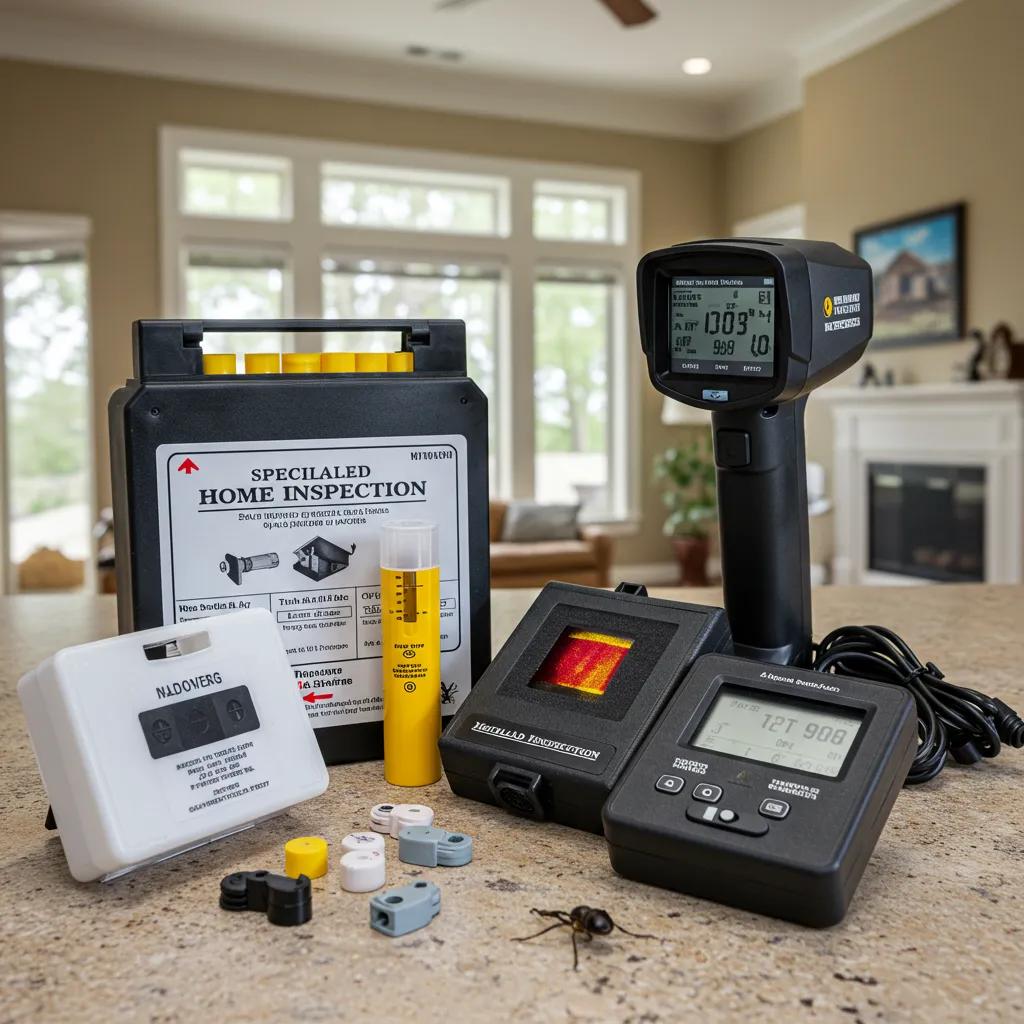
Specialized inspection services complement a general home inspection when specific risks or loan requirements demand focused testing, such as radon measurements for indoor air safety, CL100 pest inspections for wood-destroying organisms, infrared thermal imaging for hidden moisture and insulation gaps, drain & sewer scopes for pipe condition, mold and indoor air quality testing for health concerns, and foundation certifications for certain permits or transactions. Each service has a distinct purpose, typical duration, and pricing profile, and selecting the right add-on depends on indicators found during the general inspection or lender/insurance requirements. Choosing add-on services strategically helps buyers manage risk and comply with transaction conditions efficiently.
Why Is Radon Testing Important for Greenville Homes?
Radon is an odorless, colorless radioactive gas produced by soil that can accumulate in enclosed spaces and increase long-term lung cancer risk; testing identifies elevated levels that warrant mitigation. A short-term radon test provides a snapshot and typically takes 48–96 hours, while longer monitoring can refine results; if levels exceed recommended action thresholds, mitigation systems reduce indoor concentrations. Testing is especially important in homes with basements, crawlspaces, or slab-on-grade foundations where soil gas entry points exist. Detecting elevated radon early protects occupant health and helps buyers address mitigation prior to closing or negotiate remediation costs.
What Does a CL100 Pest Inspection Cover in Greenville?
A CL100 pest inspection focuses on wood-destroying organisms and conditions conducive to infestation, documenting evidence of active infestation, past damage, or conditions that increase risk such as wood-to-soil contact and moisture issues. The CL100 report typically lists observed pests (termites, wood decay, carpenter ants), describes damaged areas, and provides recommendations for treatment and repair, which lenders may require for loan approval or condition clearance. This inspection is commonly used in VA and FHA contexts and informs negotiation or remediation planning during the transaction. Including a CL100 when visible signs or regional risk factors exist protects buyers from unexpected structural deterioration.
Introductory table comparing specialized services, purposes, and typical timing/cost cues.
| Specialized Service | Purpose | Typical Duration / Cost Cue |
|---|---|---|
| Radon Testing | Detect elevated radon gas levels | 48–96 hours; add-on fee applies |
| CL100 Pest Inspection | Identify wood-destroying organisms | 30–60 minutes; lender-oriented report |
| Infrared Thermal Imaging | Reveal hidden moisture, insulation gaps | Per-inspection add-on; immediate imaging |
| Drain & Sewer Scope | Inspect interior of sewer lines for blockages | 30–90 minutes; camera access required |
| Mold & IAQ Testing | Assess airborne spores and moisture-linked mold | Sampling varies; lab turnaround days |
| Foundation Certification | Formal documentation for permits/loans | Site-dependent; involves structural evaluation |
This comparison helps readers choose which specialized tests to add based on their priorities for health, lender requirements, or structural certainty, balancing time and cost against risk reduction.
How Does Infrared Thermal Imaging Improve Greenville Home Inspections?
Infrared thermal imaging detects temperature differentials on surfaces, revealing hidden moisture intrusion, missing insulation, or electrical hotspots that are not visible during a standard inspection and that may precede larger failures. Thermal imaging is especially useful after water events, in older homes with variable insulation quality, and to identify electrical components running hot under load, guiding targeted invasive testing when necessary. While thermal imaging is powerful for screening, it cannot specify the source material or provide invasive confirmation, so positive findings typically lead to follow-up moisture probe testing, insulation inspection, or electrical evaluation. Using thermal imaging as part of a layered inspection strategy improves the inspector’s ability to find concealed issues and recommend focused remediations.
What Should Greenville Homebuyers Know About Home Inspections?
Homebuyers should understand that an inspection documents current condition and identifies safety issues, but it is not a warranty against future problems; the report helps prioritize repairs, budget for maintenance, and negotiate contingencies. Attending the inspection provides direct education as inspectors demonstrate concerns and explain severity; after receiving the report, buyers use the summary, photos, and recommendations to obtain repair estimates or request concessions. Understanding report language—distinguishing safety items from maintenance—and following recommended specialist referrals protects buyer interests and clarifies which repairs are urgent versus routine. A proactive approach to interpreting inspection results turns information into actionable next steps during a purchase.
What Is Included in a Greenville Homebuyer’s Inspection Checklist?
A practical pre-inspection checklist helps buyers and sellers prepare the property so the inspector can evaluate systems efficiently and produce a thorough report. Key items include ensuring utilities are on, providing access to attics and crawlspaces, unlocking electrical panels and mechanical rooms, and listing known concerns or recent repairs for inspector context. Buyers should bring purchase documents, note any odors or staining, and prepare questions to ask during the walkthrough; agents often coordinate access and logistics. A well-prepared site reduces inspection time and increases the accuracy of findings, enabling a more complete assessment and clearer documentation for negotiation.
- Ensure utilities are turned on so systems can be tested and observed under normal operating conditions.
- Provide safe access to attics, crawlspaces, and mechanical rooms so all components can be evaluated.
- Compile known maintenance records or repair receipts to give the inspector context for existing work.
- Note observable signs like stains, odors, or uneven floors to direct focused evaluation during the inspection.
These checklist items streamline the inspection process, improve the completeness of the report, and help buyers prioritize follow-up actions after receiving the findings.
How Do You Understand Your Home Inspection Report in Greenville, SC?
A typical inspection report begins with an executive summary highlighting safety and major defects, followed by system-by-system sections with photos, condition notes, and recommended actions; understanding this structure helps buyers focus on urgency and cost impact. Severity classifications separate immediate safety hazards from items that are maintenance or future upgrades, so clients can prioritize contractor quotes and contingency responses. Translating common report phrases—such as “observed condition” versus “deficiency requiring repair”—clarifies responsibility and negotiation strategy. After reviewing the report, buyers should seek quotes for repairable items, consider specialist testing if recommended, and revisit the inspector for clarifications or re-inspection after repairs so that buyers proceed with confidence.
Practical next steps include obtaining contractor estimates, scheduling recommended specialist tests, and revisiting the inspector for clarifications or re-inspection after repairs so that buyers proceed with confidence.
For local, standards-based, and timely inspections in Greenville, consider working with qualified firms that combine certified credentials with advanced diagnostic tools and rapid report delivery; Mack Inspections, a veteran-owned firm led by a Certified Master Inspector, follows recognized standards and emphasizes same-day or 24-hour reports to support transaction timelines. To schedule or ask about services, reference the inspector’s published contact channels and specify required add-ons and any eligibility for discounts when you book.
Frequently Asked Questions
What Are the Common Red Flags Found During Home Inspections?
Common red flags during home inspections include signs of water damage, such as stains on ceilings or walls, which may indicate leaks. Inspectors often find issues with the roof, such as missing shingles or improper flashing, that can lead to further damage. Electrical problems, like outdated wiring or overloaded circuits, pose safety risks. Additionally, foundation cracks or signs of settlement can indicate serious structural concerns. Identifying these red flags early allows buyers to address potential issues before finalizing a purchase.
How Long Does a Home Inspection Typically Take?
A standard home inspection in Greenville usually takes between two to four hours, depending on the size and complexity of the property. Larger homes or those with multiple systems may require more time for a thorough evaluation. The inspector will assess various components, including the roof, plumbing, electrical systems, and more. Buyers are encouraged to be present during the inspection to ask questions and gain insights into the property’s condition, which can enhance their understanding of the findings.
What Should I Do If I Can’t Attend the Home Inspection?
If you cannot attend the home inspection, it’s essential to communicate with your inspector beforehand. You can request a detailed report that includes photographs and explanations of any issues found. Additionally, consider having your real estate agent present to represent your interests and ask questions on your behalf. After receiving the report, schedule a follow-up call with the inspector to discuss findings and clarify any concerns, ensuring you remain informed about the property’s condition.
Can Home Inspections Be Done on New Construction?
Yes, home inspections can and should be conducted on new construction. Even newly built homes can have defects or issues that may not be apparent during a walkthrough. Inspectors will evaluate the quality of workmanship, adherence to building codes, and the functionality of systems like plumbing and electrical. A thorough inspection can identify problems before the final walkthrough, allowing buyers to address concerns with the builder and ensure their new home meets expectations.
What Is the Difference Between a Home Inspection and a Home Appraisal?
A home inspection and a home appraisal serve different purposes. A home inspection focuses on assessing the condition of the property, identifying safety issues, and recommending repairs. In contrast, a home appraisal determines the property’s market value based on comparable sales, location, and condition. While inspections are typically conducted for buyer protection, appraisals are often required by lenders to ensure the property’s value aligns with the loan amount. Both are crucial steps in the home buying process but address different aspects of the transaction.
How Often Should Home Inspections Be Conducted?
Home inspections are typically conducted during the buying process, but homeowners should consider regular inspections every few years to maintain their property. Routine inspections can help identify maintenance needs and potential issues before they escalate into costly repairs. Additionally, if significant changes occur, such as severe weather events or renovations, a follow-up inspection is advisable. Staying proactive with inspections ensures that homeowners can address concerns promptly and maintain the safety and value of their property.
What Should I Do If My Home Inspection Reveals Major Issues?
If your home inspection uncovers significant problems, it’s essential to address them promptly. Start by discussing the findings with your inspector to understand the severity and implications of each issue. You may need to obtain repair estimates from qualified contractors to gauge the costs involved. Depending on the situation, you can negotiate with the seller for repairs, request a price reduction, or even reconsider your purchase if the issues are too severe. Always prioritize safety concerns and necessary repairs to protect your investment.
How Can I Prepare for a Home Inspection?
Preparing for a home inspection involves several key steps. Ensure that all utilities are turned on, including water, electricity, and gas, so the inspector can evaluate systems effectively. Provide access to attics, crawlspaces, and mechanical rooms, and clear any clutter that might obstruct inspection areas. Compile maintenance records and list any known issues to give the inspector context. Finally, consider attending the inspection to ask questions and gain insights directly from the inspector about the property’s condition.
What Are the Benefits of Attending the Home Inspection?
Attending your home inspection offers numerous benefits. It allows you to gain firsthand knowledge about the property’s condition and understand any issues that arise. You can ask the inspector questions in real-time, which helps clarify concerns and prioritize repairs. Additionally, being present during the inspection can provide insights into maintenance practices and how to care for various systems in the home. This proactive approach empowers you to make informed decisions and negotiate effectively based on the findings.
How Do I Choose the Right Home Inspector?
Choosing the right home inspector is crucial for a thorough evaluation. Look for inspectors with relevant certifications, such as Certified Master Inspector, and check their experience and reviews from previous clients. Ask about their inspection process, tools used, and reporting style to ensure it aligns with your needs. Additionally, consider their familiarity with local building codes and common issues in the Greenville area. A qualified inspector will provide a detailed, clear report that helps you understand the property’s condition and necessary actions.
What Should I Expect After the Home Inspection?
After the home inspection, you can expect to receive a detailed report outlining the findings. This report typically includes an executive summary of major issues, photographs, and recommendations for repairs or further evaluations. Review the report carefully to understand the severity of each issue and prioritize necessary actions. You may need to consult with contractors for repair estimates or follow up on recommended specialist tests. Use this information to negotiate with the seller or plan for future maintenance.
Are Home Inspections Required for All Real Estate Transactions?
While home inspections are not legally required for all real estate transactions, they are highly recommended. A home inspection provides valuable insights into the property’s condition, helping buyers make informed decisions. In some cases, lenders may require inspections for certain types of loans, especially if the property is older or has known issues. Ultimately, opting for a home inspection can save you from unexpected expenses and safety concerns down the line, making it a wise investment in any real estate transaction.
Conclusion
Choosing a certified home inspector in Greenville, SC, ensures a thorough evaluation of your property, providing peace of mind for buyers and sellers alike. With a focus on safety, maintenance, and potential issues, a comprehensive inspection empowers informed decision-making and negotiation strategies. By scheduling your inspection with a qualified professional, you can take the first step toward a successful real estate transaction. Contact us today to explore our inspection services and ensure your investment is protected.
Conclusion
Engaging a certified home inspector in Greenville, SC, guarantees a meticulous assessment of your property, fostering confidence for both buyers and sellers. This thorough inspection highlights safety concerns, maintenance needs, and potential issues, empowering you to make informed decisions and negotiate effectively. By scheduling your inspection with a qualified expert, you take a crucial step toward securing your investment and ensuring peace of mind. Reach out to us today to discover our comprehensive inspection services and protect your property.